
Driver Management Software – What It Is?
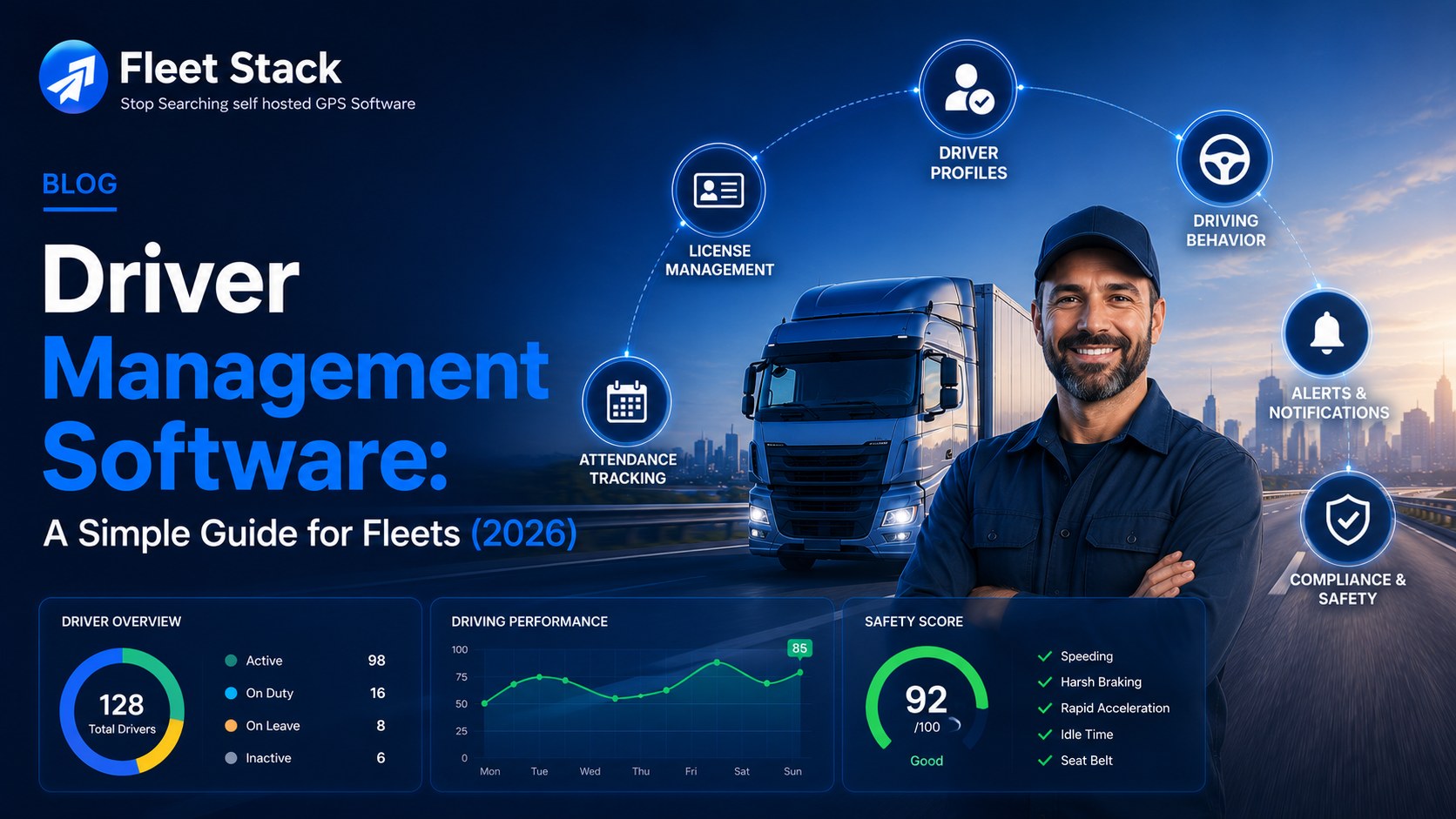
The driver management software allows you to observe driver driving behavior, rate their safety and train them. It gathers data on all vehicles, including aggressive driving patterns like braking too hard, speeding too fast and making sharp turns and translates these into an easy-to-understand driver rating. It then indicates who needs help, and how. This is crucial, as two of the biggest costs associated with your car are accidents and fuel that are directly related to driver behavior. Aggressive driving can also lower gas mileage by 15–30 percent and abrupt braking is the No. 1 warning sign of a near-crash situation. Simply put, the software replaces the notion of educated guesswork with facts. You're not subjected to the abstract "Drive Safe" emails, instead you have clear information on each driver and are able to coach the precise habit you are looking to change. Fleets discover it makes them safer, saves them money on their fuel bills, their insurance is reduced and they're better drivers since their drivers feel recognised.
Key takeaways
- Driver Management Software rates drivers according to their real driving data.
- Fleets with a scorecard program on average have 28 percent less preventable accidents.
- Fuel usage can be cut 10-14% through educating the drivers on aggressive driving habits.
- It is being introduced as a coaching tool not a tool for surveillance; so more drivers are retained.
Driver Management Software is?
The idea is simple. Your driving is already recorded in your cars. That information is fed into the software which translates it into a score.
- It captures events. Stopping too fast, speeding too fast, accelerating too fast and turning too fast.
- It records the activities of each driver. All drivers receive a rolling safety score.
- It identifies those in need of assistance. The Software is able to detect the most hazardous drivers and driving habits.
- You coach them. In short and concise coaching, we focus on the actual problem.
This is developed from your GPS tracking and telematics data. All the features are included in the FleetStack driver behavior page.
What is measured in Driver Behaviour Monitoring?
Most systems track certain behaviors that are critical. These will all be linked to a true hazard or cost.
| Behavior | Why it matters |
| Harsh braking | A driver who begins to brake too quickly is the most dangerous sign of collision that is likely to occur. |
| Speeding | Fatality of speed-related crashes is much more likely to happen than with other crashes. |
| Too fast acceleration | Wear the gears and use up the fuel |
| Sharp cornering | Abrasion of tyres = unsafe driving behaviour |
| Idle | Wastes fuel when doing nothing. |
| Failure to use seat belt or cell phone | Direct safety/ compliance risks |
These can enable you to see these and transform feeling fuzzy into making it real. It will tell you exactly who, what, and when you need to coach your driver on.
Why is driver management important?
There are two of the most significant costs of a fleet that are directly related to driver behavior.
- Fewer accidents. Hard corners, too fast speeds and too hard braking cause crashes. Fleets that have scorecard and coaching programs are seeing an average of 28 percent fewer preventable crashes, with up to 40 to 50 percent fewer preventable crashes in full coaching situations.
- Lower fuel bills. The U.S. Department of Energy estimates that aggressive driving increases fuel consumption by 15-30 percent. Typical fuel savings for those behaviors are 10-14 percent. This represents a close match with fuel management.
- Cheaper insurance. Indeed, fleets with safety programs can expect to save approximately 13 percent on their insurance costs, some insurance companies report.
- Less vehicle wear. Smooth driving results in less brake and tyre wear and is part of predictive maintenance.
How to succeed, without coaching...
This is what will determine if driver management is successful or not. It's a simple technology. Buying in is not driver buy-in.
It would be an annoyance if you use it to spy on them, and some of your most loyal drivers may head elsewhere. Doing so as a coach has an inverse impact. It can be used to help to keep good drivers.
For the best fleets, it can be done with a few simple steps. They display the drivers' own scores to them so they are aware of their improvement. They advise on the habit and not the person. Many also have another award for safe and fuel-efficient driving. Coaching is not monitoring when it's not monitored. The only way to decrease accidents is to monitor and coach.
It is said that “what gets measured gets done.”
The cost of doing nothing is evident. Just one driver with poor marks can cost a fleet thousands of dollars annually in additional fuel, greater wear, increased insurance and accident liability.
Based on industry data from 2026: 5 drivers (less than the average) are booked in a fleet of 25 trucks and have an average yearly bill of about $55,000 USD that coaching could return. On average, a collision will cost approximately $70,000. The whole idea is quite simple. The information will tell you who to coach, what to coach and before it becomes a crash statistic.
Driver Management Software is for Who?
It's appropriate for any fleet with drivers operating on road. It will be best utilized for:
- Drivers in delivery/ logistic cars with extended driving times.
- Human factors of truck drivers, which represents the main cost of truck driver crashes.
- Service fleets, to keep their techs safe and efficient.
- Any fleet that is seeing an increase in insurance, for safety reasons insurance rates are discounted.
Frequently Asked Questions
Well, what is a driver management software?It's a program that tracks driver performance, grades the drivers according to facts and helps you coach the driver to be safer. It uncovers bad braking, speeding and other bad driving practices as an absolute demerit mark from every driver.
What is monitored by driver behavior monitoring?Generally, the use of the brakes, speeding, acceleration, sudden cornering, idling and touching the cell phone or seat belt. All are legitimate cost or safety hazards.
Does driver monitoring save lives and prevent crashes?Yes. Fleets with scorecard and coaching programs experience 28 percent fewer preventable accidents, and some experience 40 to 50 percent fewer accidents when they have full coaching programs.
Does it save fuel?Yes. On the road, hard driving lowers gas efficiency 15 to 30 percent. The average fuel savings by coaching those habits is 10-14 percent.
Will it cause my drivers discomfort?If used as a surveillance. Often made to look like coaching, scores are made visible and safe driving bonuses are offered, and usually increases retention as it makes the good driver feel valued.
Does it lower insurance premium?Often, yes. On average, fleets that have a successful safety monitoring and coaching program save 13 percent on their insurance premium.
The Bottom Line
Your people drive is a guess and/or a score using driver management software. It informs you about which driving behavior or behaviors need coaching and how, before they turn into a crash or a fuel bill.
Studies have demonstrated that all these results are proven when it is done as coaching: fewer accidents, lower fuel, lower insurance, better retention. It is one of the most valuable returns possible that can be derived from your own data for any fleet that has drivers on the road.
Looking to teach safer drivers and save on expenses? Try it for free* and discover the possibilities of FleetStack to score each driver on real data and coach the right drivers.
As related reading will demonstrate, GPS fleet tracking systems have their fair share of ups and downs as well as a learning curve.
Data from U.S. Department of Energy (aggressive driving decreases fuel economy 15-30 percent); FMCSA and NHTSA crash causation data (harsh braking and speeding risk); 2026 to 2026 fleet scorecard benchmarks from National Safety Council and ATA (28 percent fewer accidents, 13 percent insurance reduction, 10-14 percent fuel savings). Figures are industry averages, and can differ according to fleet, region and conditions.
0 Comments
No comments yet. Be the first to comment!
Please to post a comment