
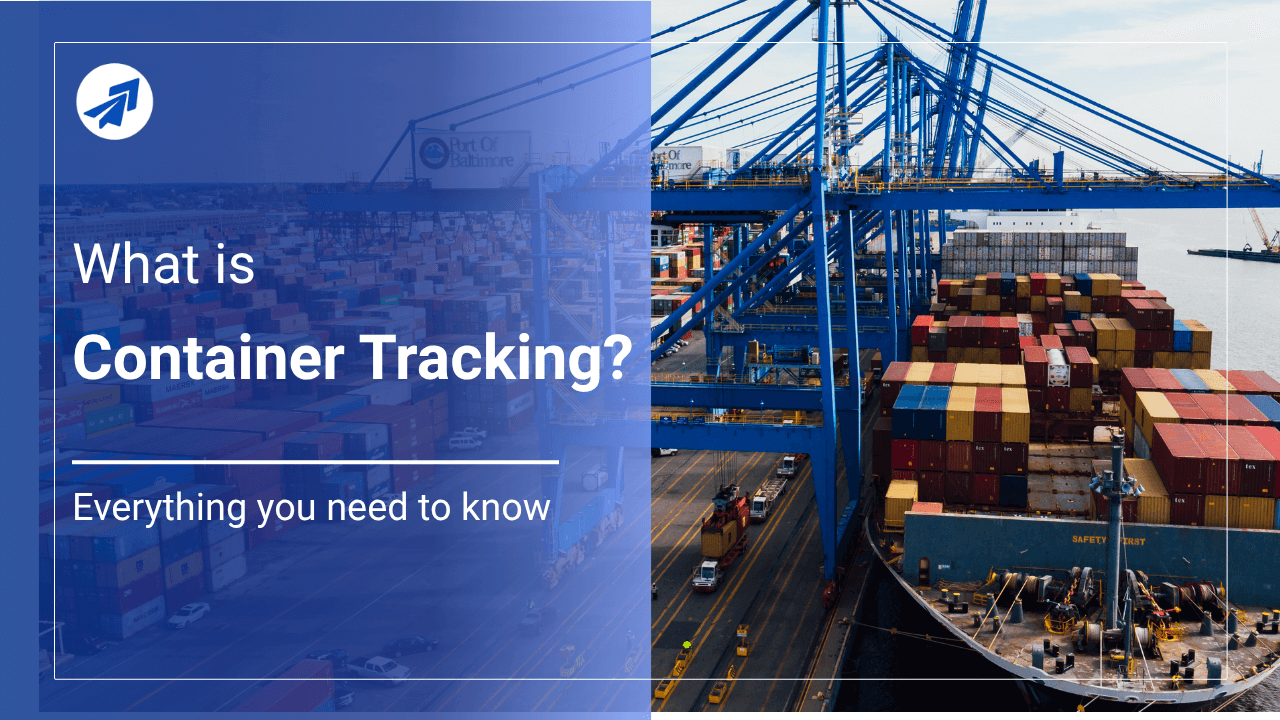
The backbone of global trade is shipping containers – roughly 65 million are in use worldwide. These standardized steel boxes carry goods from factories to consumers across oceans and continents. Modern logistics managers use container tracking to monitor these containers in real time. IoT-enabled trackers and sensors on each container report location and condition data, giving supply-chain operators end-to-end visibility.
In practice, a tracked container may transit by ship, rail, and truck under multiple carriers. Container tracking ensures that, regardless of mode changes or handoffs, stakeholders always know where a box is and in what state it arrives. This visibility cuts losses from misplacement or theft (which can cost billions annually) and enables just-in-time scheduling in complex intermodal logistics.
Container tracking systems combine hardware and software to achieve this visibility. In simplest terms, a container tracker is an IoT device affixed to the container with GPS, cellular/satellite radios, and other sensors. It continuously (or at set intervals) reports the container’s coordinates and sensor readings (like temperature) to a cloud platform. Tracking software then aggregates the data, maps the container’s route, and issues alerts if something unusual happens. In practice, IoT container tracking means knowing a container’s location at every step (inbound from manufacturer, outbound to customer) and even monitoring interior conditions. This rich data improves supply-chain transparency and efficiency across every leg of a shipment.
Core Components of a Container Tracking System
Modern container tracking hinges on several key components:
Tracking Hardware:
Rugged GPS trackers are attached to containers or chassis These devices use GNSS (GPS/GLONASS) to determine location. Battery-powered trackers are built for harsh environments and long dormancy. Many include motion or shock sensors to wake the device when moved, maximizing battery life. (Some systems also use passive technologies like RFID tags on containers or seals for inventory-level tracking at ports, but active GPS devices provide real-time global coordinates.)
Onboard Sensors:
Trackers often carry multiple sensors. For example, temperature/humidity sensors monitor refrigerated (“reefer”) and perishable cargo. Door-open and vibration sensors detect unauthorized access or shocks. Weight or pressure sensors can even signal if cargo is loaded or unloaded improperly. In short, container trackers can report not just “where,” but also “how” the cargo is faring – from ambient temperature spikes to sudden tilt or impact.
Connectivity:
Collected data must reach the cloud via networks. Container trackers typically use a blended connectivity strategy. On land or at port, cellular networks (4G/5G, LTE-M, NB-IoT) handle most updates due to wide coverage. In sparsely covered areas, LPWANs like LoRaWAN or Sigfox can provide low-power, low-data links. For ocean voyages or remote regions, satellite links (Iridium, Globalstar, Inmarsat) extend coverage worldwide. Short-range Bluetooth or Wi-Fi can assist in port terminals for quick bulk data offload. Altogether, devices often switch automatically between networks (“best available”), ensuring that a container stays connected almost everywhere.
Tracking Platform:
Back-end software platforms aggregate and present the data. These cloud or on-premise tracking dashboards (such as Fleet Stack™) collect incoming IoT messages and display container locations on maps in real time. The platform handles geofencing (virtual fences) to trigger alerts, historical data storage for analysis, and user interfaces for fleet managers. Most platforms expose APIs so that container location and sensor data can flow into a company’s own TMS/ERP or BI systems. In short, the software component turns raw IoT data into actionable insights – plotting routes, computing ETAs, and triggering alerts when thresholds (e.g. temperature limits) are crossed.
Together, these components – rugged trackers and sensors, multi-modal connectivity, and intelligent software – form the backbone of a container tracking solution. They enable real-time asset visibility and pave the way for more efficient, secure global logistics.
Technical Best Practices for Container Tracking Systems
To maximize reliability and security, implement these best practices:
Device Power & Battery Management:
Container trackers often run on battery or solar. Minimize power draw by tuning reporting intervals to actual needs (e.g. less frequent GPS polling when stationary). Use motion sensors to wake devices only when moved. For example, LoRa and NB-IoT devices excel in ultra-low-power modes, periodically transmitting snapshots instead of continuous streams. Ensure batteries are sized for many months (or years) of service under worst-case usage.
Secure Over-The-Air (OTA) Updates:
Plan for remote firmware updates. Each tracker should verify any received update before installing it. Sign firmware packages with cryptographic keys so that devices reject tampered code. Implement rollback or dual-bank firmware so a failed update won’t “brick” the device. In short, robust OTA mechanisms let you patch security vulnerabilities or add features without retrieving containers. (Modern IoT systems emphasize OTA as essential for long-lived assets.)
Data Encryption & Network Security:
Protect data in transit and at rest. Use TLS/SSL for all connections between tracker and cloud. Authenticate devices with unique credentials or certificates to prevent spoofing. On the cloud side, isolate APIs behind strong authentication (OAuth tokens, firewall rules). Restrict tracking data access through role-based permissions. Follow standards like AES encryption on the device. In practice, a well-architected system encrypts container data (location, sensor readings) so that even if intercepted, it can’t be read or altered.
Storage Redundancy:
Store tracking data in a resilient architecture. For example, cloud storage should replicate data across multiple availability zones or regions. This geo-replication ensures that if a datacenter or zone fails, historical container data remains intact. Many IoT platforms leverage cloud features (like AWS IoT or Azure IoT) that automatically replicate time-series data. This redundancy is critical for preserving records needed in investigations or audits.
API and Integration Security:
When linking container data to TMS/ERP, secure those connections. Use HTTPS for all API calls, and implement network access controls on your integration endpoints. Rotate API keys periodically. Perform input validation to prevent injection attacks. For interoperability, prefer standards (e.g. JSON/REST or MQTT) but never sacrifice security. By treating the tracking system as any other enterprise system, you avoid exposures in corporate networks.
Firmware and Device Best Practices:
Choose IoT modules with secure hardware features (secure boot, hardware crypto modules). Protect the physical device – containers can be tampered with – by housing electronics in sealed tamper-evident enclosures. Update the device’s root credentials if shipping internationally to prevent cloning. Use geofencing not just as a function but as a security check (e.g., if a tracker reports being “inside” a country it shouldn’t be, raise an alert).
Monitoring & Maintenance:
Keep an eye on the trackers themselves. A healthy device monitoring system reports battery status and signal quality. For instance, if a node stops checking in, automated alerts can flag it for recovery (perhaps it was removed or failed). Regularly audit device logs and update certificates or keys before expiration. In large deployments, use an IoT device-management console (like Fleet Stack’s) to batch-update settings or firmware.
Regulatory Compliance:
Finally, ensure your tracking solution meets any industry regulations. For cold-chain cargo, record-keeping for temperature excursions may be legally required. If personal data (like driver biometrics) is involved, comply with privacy laws (GDPR/CCPA). Using a self-hosted platform can simplify compliance by keeping data under your control.
By following these practices – especially around power, updates, and security – logistics operators ensure their container tracking network is robust, safe, and future-proof. With good planning, the technology will operate reliably in the demanding global shipping environment.
Emerging Container tracking Platform
Container tracking is no longer a luxury but a necessity for efficient global logistics. By combining GPS, IoT sensors, and smart software, modern tracking systems give you eyes on every box across the world – improving security, accuracy, and compliance. Logistics teams that adopt real-time container monitoring gain faster ETAs, reduced theft, and valuable supply-chain insights.
Ready to upgrade your tracking?
- Schedule your Fleet Stack™ demo today and see how our self-hosted solution can transform your container visibility.
- Download our Container-Tracking Best Practices Checklist to ensure your IoT deployment is efficient, secure, and future-proof.
Together, these tools and strategies will help you harness container data for smarter, more reliable supply-chain operations.
0 Comments
No comments yet. Be the first to comment!
Please to post a comment