
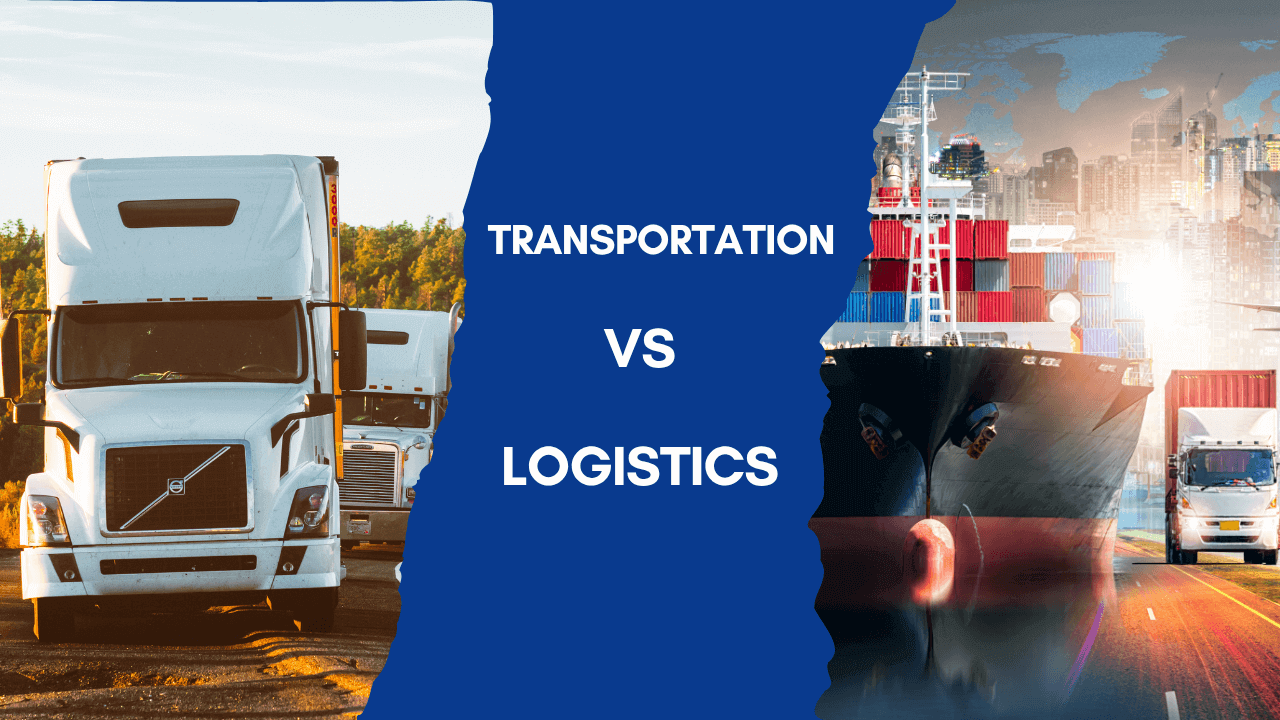
Transportation and logistics are two terms that often get mixed up. In reality, they mean different things. Understanding the difference between transportation and logistics is important, especially for businesses involved in supply chain or fleet management. In simple terms, transportation is about moving something from one place to another, while logistics is about planning and managing the whole process of getting things where they need to go.
Imagine ordering a new phone online. The delivery van that brings the package to your door is doing transportation. But everything that happens behind the scenes – storing the phone in a warehouse, choosing the best delivery route, tracking the shipment with GPS tracking, and making sure it arrives on time – that''s logistics. Both transportation and logistics work hand-in-hand to ensure products reach customers efficiently.
Understanding Transportation
Transportation is the simplest part of this equation. It refers to the physical movement of goods (or people) from one place to another. Whenever products are moved by truck, train, plane, or ship, that is transportation in action. The main goal of transportation is to take an item from point A to point B.
For example, when a delivery truck drives from a warehouse to a store, that is an example of a transportation activity. Companies often invest in fleet management to oversee their transportation operations. This can include managing drivers, keeping vehicles in good condition, and using GPS tracking to monitor where each truck is on the road. Good transportation management ensures that deliveries are fast, safe, and cost-effective.
Understanding Logistics
Logistics is a broader concept that includes transportation as just one piece of the puzzle. It is all about planning, coordination, and execution of many activities to get goods where they need to go. This covers everything from managing inventory in a warehouse to packing orders, choosing the right transportation method, scheduling deliveries, and more.
In other words, logistics is like the mastermind behind the scenes. A logistics team figures out what needs to go where, when it should leave, and how to get it there in the most efficient way. They focus on things like finding the best routes, reducing storage costs, and making sure customers receive their orders on time. Effective logistics management means having the right amount of product in the right place at the right time.
Key Differences Between Transportation and Logistics
While transportation and logistics are closely related, they are not the same. Here are some key differences that set them apart:
Scope:
Transportation is a subset of logistics. It focuses only on moving goods from one place to another. Logistics has a much wider scope – it includes transportation plus all the planning, coordination, and support activities (like warehousing and inventory control) needed to make that movement happen smoothly.
Activities:
Transportation activities include driving trucks, flying planes, loading ships – essentially the actual movement of goods. Logistics activities include scheduling those trucks, managing warehouse operations, handling paperwork, tracking shipments, and updating customers.
Focus & Responsibility:
Transportation teams concentrate on managing vehicles, drivers, and routes to ensure shipments arrive on time. Logistics teams take a broader view, overseeing the entire supply chain (including transportation, warehousing, and inventory) to fulfill customer orders efficiently.
Goal:
The goal of transportation is to move things efficiently and safely. The goal of logistics is to meet customer requirements as efficiently as possible, coordinating all those elements to minimize cost and delivery time.
In short, you can think of transportation as one important piece of the logistics puzzle. Without transportation, goods wouldn’t move. But without logistics, those goods might not get to the right place at the right time or in the most cost-effective way.
How Transportation and Logistics Work Together
In real-world operations, transportation and logistics work together closely as part of a company''s supply chain strategy. Logistics planning decides when and how transportation will be used. For instance, a logistics plan for an e-commerce company might determine that products should be stored in a warehouse near customers, and then use fast transportation (like overnight shipping or air freight) to deliver orders quickly.
Warehousing and inventory management (key parts of logistics) ensure that the right products are available and ready to ship. Then transportation comes in to actually move those products. Throughout this process, logistics and transportation teams coordinate constantly. If a delivery truck is delayed (a transportation issue), the logistics team may update plans, inform the customer, or send a replacement shipment from another location.
Both transportation and logistics are essential for a smooth supply chain. Transportation provides the means to physically relocate goods, while logistics provides the strategy and oversight to make that relocation efficient and reliable. Companies that excel in both areas can ship products faster, more reliably, and at lower cost, giving them a competitive edge.
Technology’s Role in Modern Logistics and Transportation
Today, technology plays a huge role in making both transportation and logistics more efficient. Advanced software helps companies track and manage their operations in real time. For example, GPS tracking systems can show exactly where a delivery truck is on the map, which helps logistics managers adjust plans or update customers with accurate delivery times.
Fleet management software helps businesses with many vehicles (like trucking companies or delivery services) optimize routes, monitor driver performance, and schedule maintenance. Logistics software can automate tasks like inventory tracking in warehouses or forecasting demand so that companies know how much product to keep in stock.
By using technology, even complex global supply chains become easier to handle. Data from GPS trackers and sensors can be analyzed to find faster routes or prevent delays. Communication tools connect drivers (transportation) with warehouse staff and logistics planners instantly. Overall, technology bridges the gap between transportation and logistics by providing a single, clear view of the whole operation.
Fleet Stack™: Revolutionizing Fleet Management
One of the latest innovations bringing transportation and logistics together is Fleet Stack™. Fleet Stack™ is a revolutionary self-hosted GPS tracking software with a one-touch installation process. In plain terms, it allows a company to set up its own fleet tracking system almost instantly – no deep technical knowledge or coding required. This platform empowers companies, especially those with 50+ vehicles, to take full control of their tracking and logistics operations.
Imagine having your own customizable, private version of a GPS tracking app just for your business. Fleet Stack™ makes that possible. It combines the power of advanced GPS tracking and fleet management with the simplicity of a consumer app. Just like an iPhone or Tesla, Fleet Stack™ is intuitive and user-friendly on the surface, yet very powerful under the hood. Many companies use Fleet Stack™ to monitor their fleets in real time on a platform they fully control.
Why Fleet Stack™ Stands Out
Fleet Stack™ has unique features that set it apart from traditional fleet tracking solutions:
One-Touch Installation:
Be up and running in just 5 minutes. Installing Fleet Stack™ is as easy as installing an app on your phone, with no IT help needed.
No-Code Customization:
Build your own custom GPS tracking applications and dashboards without writing any code. You can tailor the system to fit your business''s unique needs and even create a branded tracking app for your team or customers.
Self-Hosted Control:
Unlike many cloud-based services, Fleet Stack™ is self-hosted. This means you install it on your own server or cloud, giving you full control over your data and security. Your sensitive fleet data stays with you, which is great for privacy and compliance.
Scalable for Large Fleets:
Whether you have 5K vehicles or 500K, Fleet Stack™ can handle it. It''s built to support growing fleets, ensuring that tracking remains smooth even as your operations expand.
Comprehensive Fleet Management:
Fleet Stack™ isn''t just about dots on a map. It offers real-time tracking, route optimization, alerts for issues like speeding or delays, and integration with other logistics systems. It''s a complete fleet management toolkit that feeds valuable information into your logistics planning process.
Embracing the Future of Logistics
The difference between transportation and logistics is clear: one moves the goods, the other coordinates the entire journey. Modern businesses need strength in both areas to succeed. With tools like Fleet Stack™ bringing advanced GPS tracking and logistics capabilities within easy reach, even companies that aren''t tech-savvy can step up their game. By unifying transportation and logistics data, Fleet Stack™ helps organizations run like a well-oiled machine – as visionary and efficient as the world''s top tech companies.
As the logistics and transportation industry continues to evolve, embracing innovation is key. Fleet Stack™ is more than just software; it''s a game-changer that can propel a company''s fleet operations into the future. If you’re ready to transform your logistics and transportation strategy, it’s time to experience Fleet Stack™ for yourself. Book a demo today and see how this powerful platform can empower your business to move faster, smarter, and ahead of the competition.
0 Comments
No comments yet. Be the first to comment!
Please to post a comment